
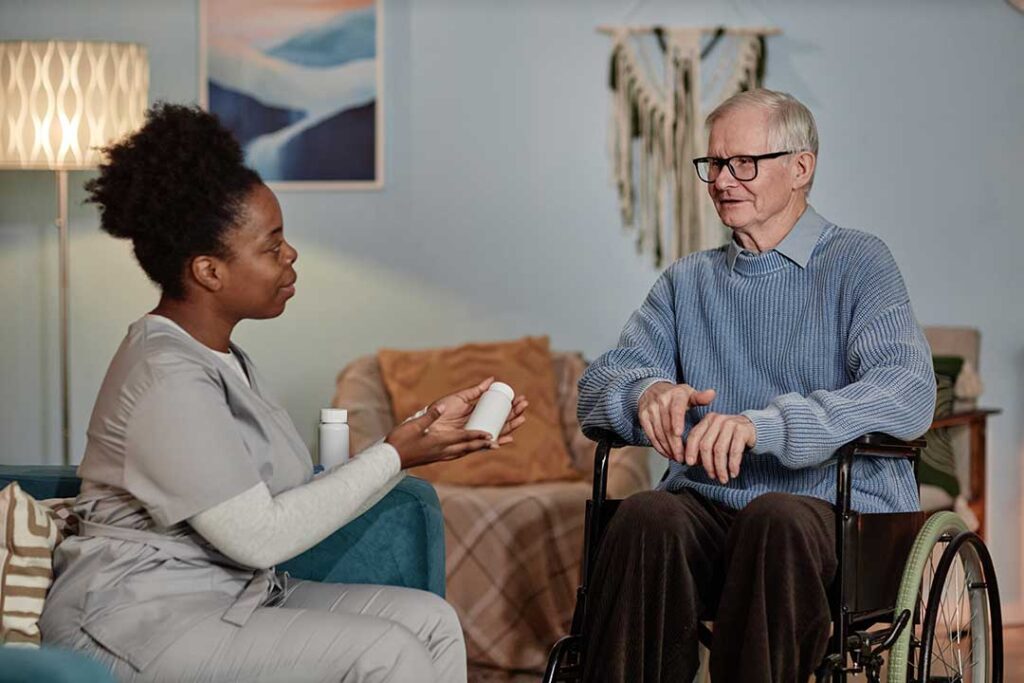
Healthy aging in assisted living is not about preventing every health problem or following a rigid routine. It is about maintaining strength, safety, independence, social connection, and enjoyment through practical daily habits. Residents of Murrysville, PA can benefit from routines that account for changing seasons, indoor living during winter weather, and the importance of reliable support close to home.
What does healthy aging mean in assisted living?
Healthy aging means supporting physical health, emotional well-being, mental activity, and personal independence as needs change. Assisted living can provide structure and help, but residents still benefit from making choices about movement, meals, sleep, social activities, and daily routines.
A healthy routine may include:
- Taking medications as directed
- Moving safely throughout the day
- Eating enough protein, fiber, and fluids
- Maintaining friendships and family connections
- Reporting new symptoms early
- Taking part in enjoyable activities
- Using mobility aids correctly
- Protecting sleep and personal time
The goal is not to do everything without assistance. Accepting appropriate help can reduce falls, prevent exhaustion, and make it easier to remain active.
How much movement should assisted living residents get?
Most residents benefit from some physical activity every day, adjusted for ability and medical conditions. Short periods of movement can be useful even when a person cannot complete a formal exercise session.
Safe options may include:
- Walking in hallways or common areas
- Seated leg lifts and arm movements
- Gentle stretching
- Standing from a chair with supervision if needed
- Light gardening or craft activities
- Balance exercises included in an approved activity program
Movement supports muscle strength, circulation, joint flexibility, mood, and confidence. It may also help with constipation and sleep.
A common misconception is that exercise must be strenuous to be worthwhile. For many older adults, several five-minute activity periods are more realistic and safer than one long session. Anyone experiencing chest discomfort, unusual shortness of breath, dizziness, or sudden weakness should stop and report the symptoms promptly.
During icy or snowy weather, outdoor walking may be less safe. Indoor routes, supervised activities, and seated exercise can help residents stay active without unnecessary exposure to slippery surfaces or cold temperatures.
Which foods support strength and energy?
Adequate nutrition helps protect muscles, bones, immunity, and energy levels. Appetite can decrease with age, but regularly skipping meals may contribute to weakness, unintended weight loss, and slower recovery from illness.
Helpful meal habits include:
- Including a protein source at meals, such as eggs, yogurt, beans, poultry, fish, or other suitable choices
- Eating fruits and vegetables in forms that are easy to chew and digest
- Choosing whole grains when tolerated
- Drinking fluids regularly rather than waiting until thirst develops
- Discussing persistent appetite changes, swallowing difficulty, or dental discomfort
Residents with diabetes, kidney disease, heart failure, food allergies, or swallowing concerns may need individualized dietary guidance. A sudden change in eating or drinking can sometimes signal infection, medication effects, depression, dental problems, or another health concern.
Water is especially important during warm weather and when indoor heating makes the air dry. However, some residents have fluid restrictions, so drinking goals should follow the care plan.
How can residents reduce fall risk?
Falls are not an unavoidable part of aging. Risk can often be reduced by combining strength and balance activities with safer surroundings and regular medication review.
Residents should report:
- New dizziness or lightheadedness
- Trouble seeing clearly
- Loose or poorly fitting footwear
- Weakness after a medication change
- Clutter, poor lighting, or wet floors
- Difficulty using a walker or cane
Shoes should fit securely and have nonslip soles. Walkers and canes should be adjusted correctly and kept within reach before standing. Night-lights, clear paths to the bathroom, and accessible personal items can also make a difference.
In winter, residents may be tempted to avoid movement entirely because of outdoor conditions. Remaining inactive for long periods can weaken the legs and make future movement more difficult. Indoor walking and supervised exercise are safer alternatives when sidewalks or entrances are slippery.
Why do sleep and daily routines matter?
Consistent sleep supports memory, mood, balance, and immune function. A regular daily schedule can help the body recognize when to be active and when to rest.
Useful sleep habits include:
- Keeping a fairly consistent wake-up time
- Limiting long or late afternoon naps
- Spending time in daylight when weather permits
- Avoiding heavy meals close to bedtime
- Reporting pain, nighttime urination, anxiety, or breathing problems that interrupt sleep

Snoring, repeated waking, morning headaches, or severe daytime sleepiness should not be dismissed as normal aging. These symptoms may deserve medical evaluation.
A predictable routine is helpful, but it should not eliminate personal choice. Residents may prefer different wake-up times, hobbies, meal patterns, or quiet periods. Personal routines are more likely to last when they fit individual preferences.
How can social connection protect well-being?
Regular social contact can support mood, memory, motivation, and a sense of belonging. Social activity does not have to mean attending every group event. A brief conversation, shared meal, card game, letter, phone call, or visit may be enough to reduce isolation.
Residents who feel lonely, withdrawn, persistently sad, or uninterested in activities should mention it to a trusted member of the care team or family member. Depression can appear as fatigue, appetite changes, sleep problems, irritability, or physical complaints rather than sadness alone.
Family members can support healthy aging by asking specific questions, such as:
- What activity did you enjoy this week?
- Are meals tasting good?
- Have you felt unsteady?
- Are you sleeping comfortably?
- Is there anything making daily tasks harder?
Specific questions often reveal concerns that a general “How are you?” may not uncover.
What health changes should be reported promptly?
Small changes can provide useful early warnings. Residents should report new or worsening symptoms rather than waiting for a scheduled visit.
Examples include:
- Sudden confusion or unusual sleepiness
- New weakness, numbness, or trouble speaking
- Repeated falls or near-falls
- Fever, persistent cough, or breathing difficulty
- New swelling, pain, or skin problems
- Significant weight loss or loss of appetite
- Burning or pain with urination
- Medication side effects
Sudden facial drooping, arm weakness, speech difficulty, severe chest pain, or serious breathing problems require emergency attention. Staff should be notified immediately according to the residence emergency procedure.
Medication lists should remain current, including prescriptions, over-the-counter medicines, vitamins, and supplements. Residents should not stop or change a medication independently unless instructed by an authorized medical provider.
How can residents stay mentally active?
Mental activity is most useful when it is meaningful and enjoyable. Reading, music, puzzles, storytelling, religious or cultural practices, learning a skill, and discussing current interests can all provide stimulation.
Activities should match vision, hearing, dexterity, and cognitive abilities. Large-print materials, hearing support, adaptive tools, and shorter activity periods may make participation easier.
Healthy aging also includes making decisions about preferences, privacy, visitors, activities, and daily care whenever possible. Maintaining choice helps preserve dignity and supports independence, even when physical assistance is needed.
What should residents focus on first?
A practical starting point is to choose one habit in each of three areas: movement, nutrition, and connection. For example, a resident might take two short indoor walks, add a protein-rich food to breakfast, and speak with a family member or neighbor each day.
Progress should be measured by steadier energy, safer movement, better participation, and improved comfort—not by comparing one resident with another. The most effective routine is one that is safe, realistic, and suited to the person’s health, interests, and changing needs.
